
Wasp and hornet control
Safe, Professional Wasp and Hornet Control for Homes and Businesses
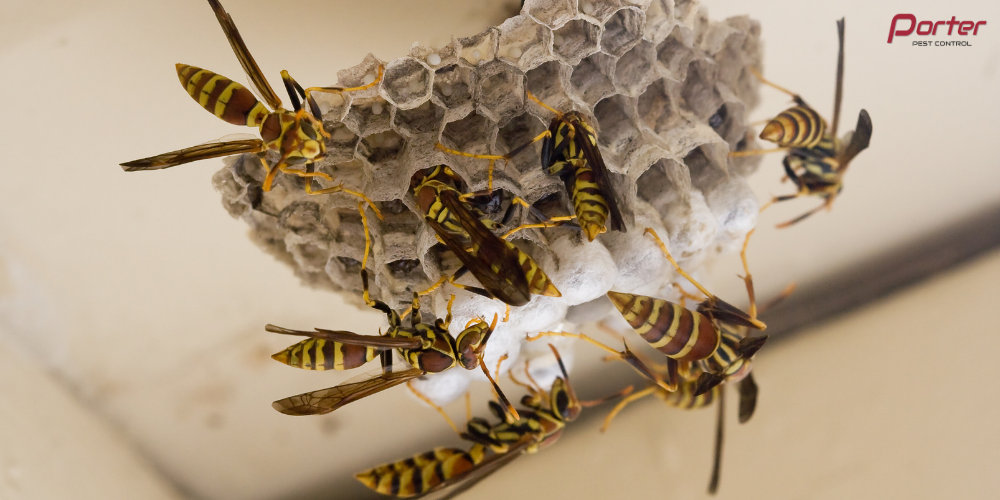
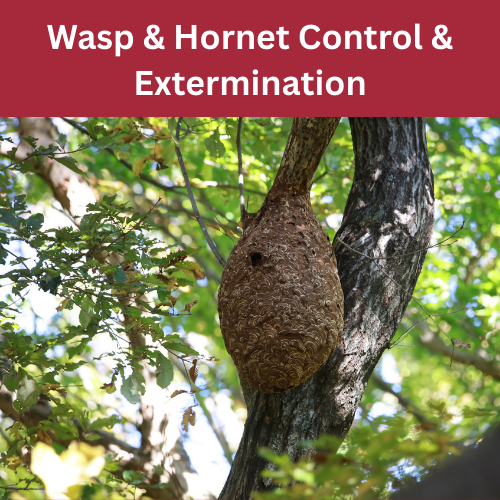
Wasps and hornets are aggressive, stinging insects that can pose serious safety risks when they nest near homes or commercial properties. Nests are commonly found along rooflines, eaves, decks, sheds, and outdoor structures, often close to high-traffic areas. Porter Pest Control provides professional wasp and hornet control services designed to safely remove nests and reduce the risk of future activity.
Our experienced technicians use targeted treatment methods to address active infestations while helping protect people, pets, and property.
Schedule a FREE consultation!
Common Signs of a Wasp or Hornet Problem
Wasps and hornets are most active during warmer months and can establish nests quickly if left untreated. Early professional control helps reduce the risk of stings and disruption.
Common signs include:
Visible nests under eaves, soffits, decks, or outdoor structures
Increased wasp or hornet activity around entryways and patios
Swarming behaviour near rooflines or outdoor spaces
Buzzing sounds coming from walls, ceilings, or enclosed areas
Aggressive behaviour when nests are approached or disturbed
Our Pest Control Approach
for Wasps & Hornets
Inspection
We identify nesting sites, insect species, and risk areas around the property.
Treatment
Targeted treatments are applied to safely remove nests and control active populations.
Prevention
We remove nesting materials and provide recommendations to reduce attractants and discourage future nesting .
- Licensed and experienced technicians
- Safe, targeted treatment methods
- Residential and commercial expertise
- Preventive strategies to reduce future nesting
Why Choose Porter Pest Control for Wasp and Hornet Control
Effective wasp and hornet control requires proper identification, experience, and safety precautions. Our team focuses on delivering reliable solutions with minimal disruption.
FAQ
Wasps & Hornets Control FAQ
Yes. Our Wasp and Hornet nest removals include a 100-day service warranty at the treated location.
Yes. Attempting to remove nests without proper equipment increases the risk of stings and injury.
Most treatments are completed in one visit, depending on nest size and location.
Yes. Approved products are used, and safety guidelines are provided after treatment.
Yes its possible.
Nest removal addresses the immediate issue, but preventative exterior treatments can help reduce the likelihood of future nesting.