
Wasp and Hornet Control in Kingston
Safe, Effective Wasp and Hornet Nest Removal
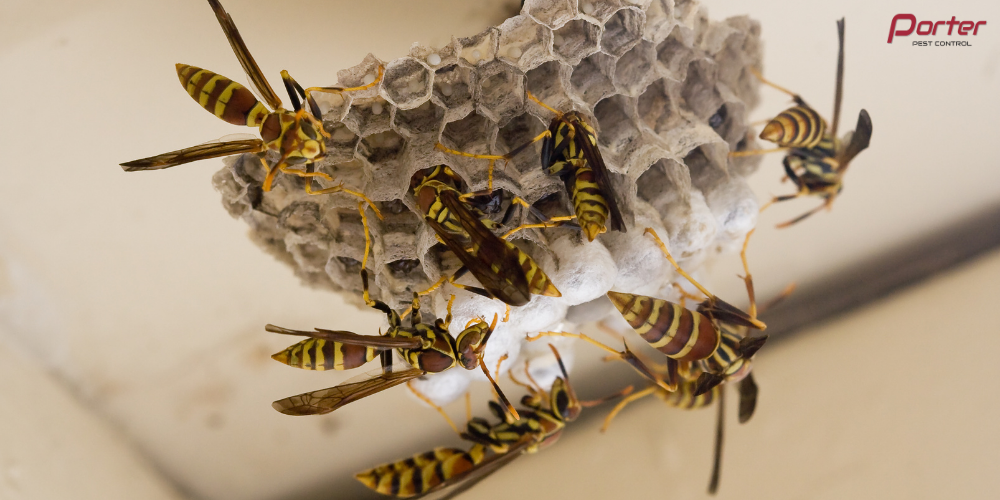
Wasps and hornets are aggressive, stinging insects that pose safety risks to homeowners, businesses, and visitors. In Kingston, nests commonly form near rooflines, eaves, decks, and outdoor structures during warmer months. Porter Pest Control provides professional wasp and hornet control in Kingston, using targeted treatments to remove nests safely and reduce the risk of future activity.
Schedule a FREE consultation!
Common Signs of a Wasp or Hornet Problem in Kingston
Wasps and hornets become more active as temperatures rise and can quickly establish nests near frequently used areas. Early professional wasp control in Kingston helps reduce stinging risks and property disruption.
Common signs include:
Visible nests under eaves, soffits, decks, or sheds
Increased wasp or hornet activity around entryways
Swarming behaviour near rooflines or outdoor spaces
Buzzing sounds from walls or enclosed areas
Aggressive behaviour when nests are disturbed
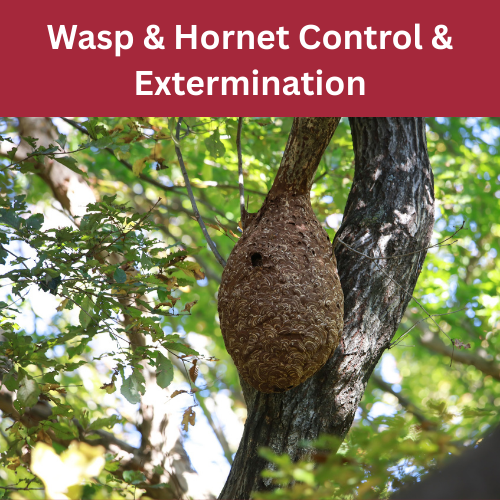
Our Pest Control Approach
for Wasps & Hornets
Inspection
We identify nest locations, insect species, and risk areas around the property.
Treatment
Targeted treatments are applied to safely remove nests and control active populations.
Prevention
We remove nesting materials, advise on deterrents, and help reduce conditions that attract stinging insects.
- Discreet service with flexible scheduling
- Experience with Kingston residential and commercial properties
- Safe, targeted treatment methods
- Preventive strategies to reduce repeat nesting
Why Choose Porter Pest Control for Wasp and Hornet Control in Kingston
Wasp and hornet control requires experience and proper safety measures. Our Kingston technicians focus on effective removal while minimizing risk to occupants.
FAQ
Wasps & Hornets Control FAQ
Warm weather, accessible food sources, and sheltered nesting areas make properties attractive during spring and summer.
Professional removal is recommended due to the risk of stings and aggressive behaviour.
Most nests can be addressed in a single visit, depending on size and location.
Yes. Treatments are applied carefully and re-entry guidelines are provided.
They can if conditions allow. Preventive measures help reduce future nesting.