
Wasp And Hornet Control In Oshawa & Durham Region
Safe Nest Removal For Durham Region Properties
Wasps and hornets are a seasonal concern across Durham Region, often building nests near rooflines, decks, and outdoor living spaces close to ravines and green space. Their stings can cause injury and allergic reactions if disturbed. Porter Pest Control provides professional wasp and hornet control throughout Oshawa, Whitby, Ajax and Pickering, with safe nest removal and preventive solutions.
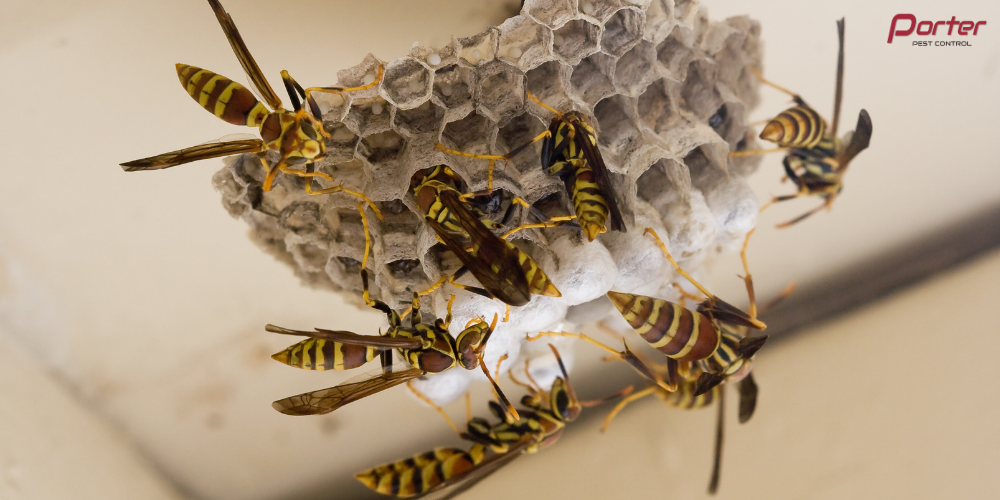
Signs Of A Wasp Or Hornet Nest On Your Durham Region Property
Wasp activity typically increases during warmer months and near high-traffic outdoor areas. Early wasp and hornet control in Durham Region helps limit safety risks.
- Active nests attached to decks, sheds, or outdoor structures
- Frequent insect activity near patios, doors, or windows
- Buzzing sounds from soffits, vents, or wall cavities
- Noticeably defensive behaviour if the nest area is approached
- The same outdoor spot showing activity visit after visit
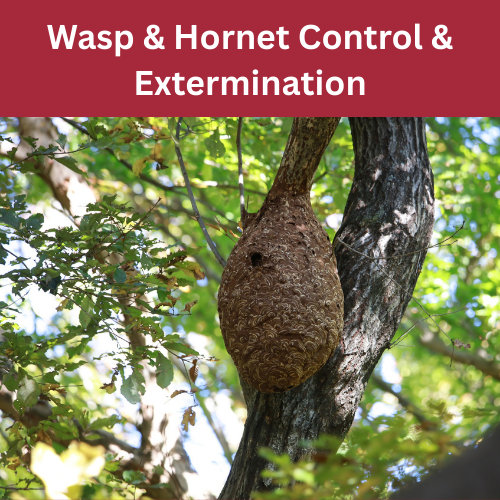
Our Pest Control Approach
for Wasps & Hornets
Inspection
We inspect the Durham Region property to identify nest locations and insect species.
Treatment
Targeted treatments are applied to safely remove nests and control active insects.
Prevention
We provide guidance on deterrents and steps to reduce nesting opportunities.
- Flexible scheduling and discreet service
- Experience with Durham Region residential and commercial properties
- Safe, effective nest removal
- Preventive strategies for seasonal protection
Why Oshawa & Durham Region Trusts Porter For Wasp & Hornet Control
Effective wasp control in Oshawa and Durham Region requires proper identification and safe removal techniques. Our technicians deliver reliable pest control services across Oshawa, Whitby, Ajax and Pickering with minimal disruption.
FAQ
Wasps & Hornets Control FAQ
Food sources, sheltered eaves, and quiet outdoor spaces near decks, sheds, and green space all attract nesting activity.
We don’t recommend it. Disturbing a nest without the right equipment increases the risk of stings and allergic reactions.
Most nests are treated in a single visit, with activity typically subsiding within a day or two.
Yes. We use targeted methods and advise you on when it’s safe to return to the treated area.
New nests can form in future seasons, which is why we recommend preventive steps to reduce the chance of repeat activity.