
Humane Squirrel Control for Urban and Suburban Properties
Squirrels are a common wildlife issue in Toronto and the GTA due to mature trees, dense neighbourhoods, and accessible rooflines. Once inside attics, squirrels can cause extensive damage to insulation, wiring, and roofing materials. Porter Pest Control provides professional squirrel control in Toronto and the GTA using humane removal and exclusion methods designed for long-term protection.

Schedule a FREE consultation!
Common Signs of a Squirrel Issue in Toronto and the GTA
In high-density areas, squirrel activity often leads to repeated roof and attic damage if not addressed properly. Early squirrel exclusion in Toronto and the GTA helps prevent ongoing property issues.
Common signs include:
Loud scratching or movement noises during the day
Chewed insulation or electrical wiring
Droppings in attics or crawl spaces
Roof damage or visible entry holes
Nests made from leaves, twigs, or building materials
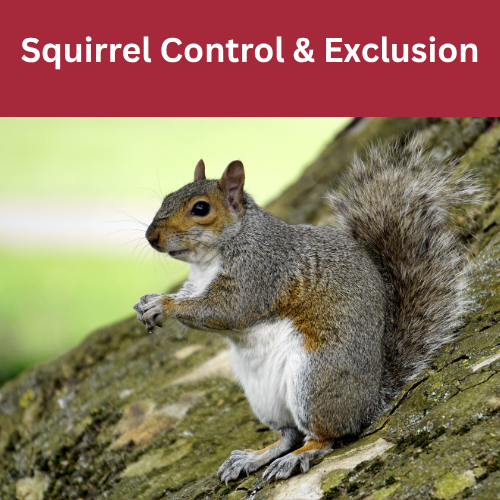
Our Pest Control Approach
for Squirrel Infestations
Inspection
We assess rooflines, attics, and access points across the property.
Treatment
Squirrels are safely removed using one-way exits or live trapping methods.
Prevention
Entry points are sealed and reinforced with mesh guards and barriers.
- Discreet service for residential and commercial properties
- Experience with urban and suburban roof structures
- Humane wildlife removal methods
- Long-term exclusion programs
Why Choose Porter Pest Control for Squirrel Control in Toronto and the GTA
Urban squirrel control requires experience with shared structures and mature tree canopies. Our team provides effective, humane solutions focused on prevention.
FAQ
Squirrel Control FAQ
They access roof vents, chimneys, soffits, and damaged eaves while searching for shelter.
Yes. We use humane techniques followed by proper exclusion work.
Yes. Chewed wiring and insulation can lead to safety hazards and costly repairs.
Most situations are resolved within a few visits, depending on the repairs needed.
Exclusion work, sealing access points, and tree trimming help prevent recurrence.