
Bed Bug Control in Toronto and the GTA
Discreet Bed Bug Elimination for High-Density Properties
Bed bugs are a persistent issue in Toronto and the GTA due to high-density housing, frequent travel, and shared living environments. Infestations can spread quickly through multi-unit buildings if not addressed promptly. Porter Pest Control provides professional bed bug control services across Toronto and the GTA, using proven treatment methods designed for urban properties.
Schedule a FREE consultation!
Common Signs of a Bed Bug Infestation in Toronto and the GTA
In busy urban settings, bed bug activity may go unnoticed until signs become widespread. Professional bed bug control in Toronto and the GTA helps manage infestations efficiently and reduce disruption.
Common signs of bed bugs include:
Clusters of itchy bites on exposed skin
Dark staining on mattresses, sheets, or upholstered furniture
Shed skins or eggs near seams, joints, or cracks
A sweet or musty odour in sleeping or living areas
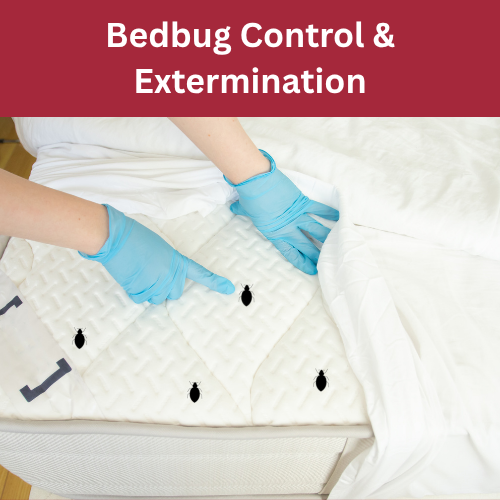
Live insects along mattress seams, baseboards, or furniture edges
Our Pest Control Approach
for Bed Bugs
Inspection
We inspect sleeping areas, shared spaces, and furnishings to determine the extent of activity.
Treatment
A targeted, biologically-based treatment that works with bed bug behaviour to eliminate infestations at the source.
Prevention
Monitoring, follow-up inspections, and guidance support long-term control in high-density settings.
- Discreet service for residential and commercial properties
- Experience with condos, apartments, and hotels
- Proven treatment methods using professional equipment
- Preventive programs designed for long-term protection
Why Choose Porter Pest Control for Bed Bug Control in Toronto and the GTA
Urban bed bug control requires experience with shared walls and multi-unit environments. Our team delivers effective solutions with minimal disruption.
FAQ
Bed Bug Control FAQ
Frequent travel, shared buildings, and second-hand furniture contribute to bed bug spread.
Yes. Treatments are approved and applied by licensed professionals.
Most infestations are treated within one to two visits, depending on the scope.
Re-introduction is possible. Monitoring and prevention help reduce recurrence.
Temporary re-entry guidelines may apply and will be provided in advance.