
Bat Control In Belleville
Humane Bat Removal Around The Bay Of Quinte
Belleville’s mix of waterfront, farmland and wooded lots is ideal for bats, and they roost in barns, sheds and cottages as often as attics. Porter Pest Control provides humane bat exclusion in Belleville and the Quinte area, sealing entry points so bats don’t return.
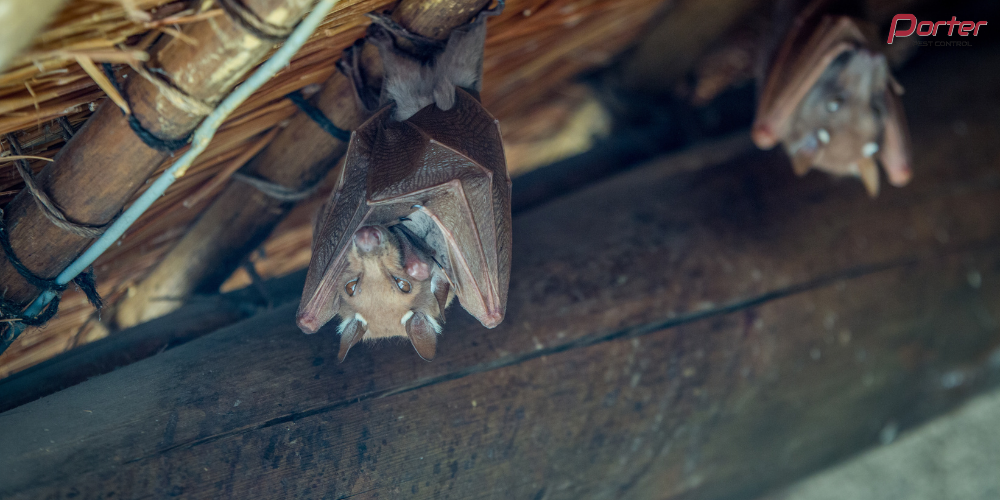
Signs Of Bats In Belleville Homes, Barns And Cottages
Quiet or seasonal buildings are especially attractive to bats. Watch for these signs around your Belleville property so you can act before the colony grows.
Common signs include:
- Squeaking or scratching in attics, soffits or barn rafters
- Droppings under eaves, on porches or in outbuildings
- Stains or grease marks around siding, fascia and vents
- Bats leaving the building at dusk
- Musty odours in a cottage or building that has been closed up
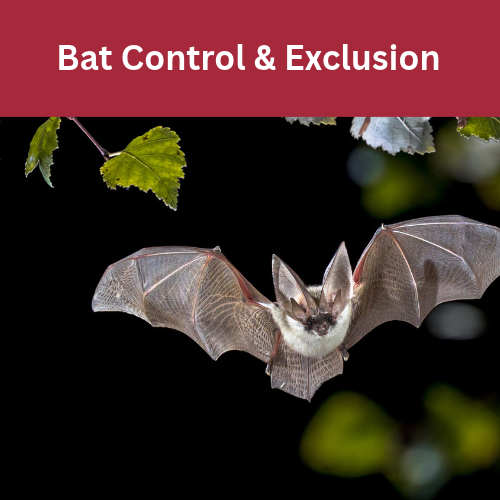
Our Pest Control Approach
for Bat Infestations
Inspection
We look at the whole property, including barns, sheds and cottages, since bats often use more than one entry.
Treatment
Bats leave to feed at night and can’t get back in through one-way devices. Nothing is harmed.
Prevention
After the bats are gone, we seal every gap and recommend any cleanup needed.
- Discreet service with flexible scheduling
- Experience with homes, barns and seasonal cottages
- Humane exclusion timed around bat season
- Long-term sealing and prevention plans
Why Choose Porter Pest Control For Bat Control In Belleville
Whether it’s a house in town or a barn out in the county, we tailor the exclusion to the building and the season so the bats stay out.
FAQ
Bat Control FAQ
Yes. The process is the same, though larger buildings may have more entry points and take more time to seal.
Quiet buildings are attractive to bats. We can inspect before and after the season and seal any gaps.
Yes. Ask us about your location, including Trenton, Stirling and the surrounding area.
They aren’t reliable and they don’t fix the entry points. Proper exclusion and sealing is the only lasting solution.
Spring (April to early May) or late August through November. We never exclude from mid-May to mid-August, when pups are in the roost.